
First-Time Home Buyer Guide for DC, Maryland & Virginia

Buying your first home is exciting, but it can also feel confusing when you are looking in the DMV area. The DMV is not one simple market. Washington DC, Maryland, Virginia, and Alexandria can all feel connected, but each one has its own home prices, neighborhoods, commute routes, taxes, property types, and buying rules. A home that feels right in one area may not offer the same value, monthly cost, or lifestyle in another area just a few miles away.
That is why first-time buyers need more than a list of homes. They need a clear plan. They need to know what they can afford, where they want to live, what type of home fits their life, and how to make a smart offer without feeling rushed. This guide is written to help you understand the home buying process in DC, Maryland, and Virginia in simple words. It is also designed to help you decide when it is the right time to speak with a local buyer agent who understands the full DMV market.
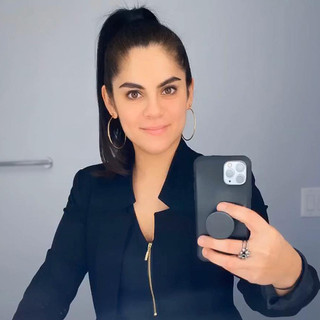
If you are starting your search and want personal guidance, Raquel Gutierrez works with buyers across the DMV and helps first-time buyers move from confusion to clarity. You can also visit the RaquelRealTour First-Time Homebuyers page to request a free buyer guide and take the next step with confidence.
Why Buying a Home in the DMV Is Different
The DMV area gives buyers many choices. You may be comparing a condo in Washington DC, a townhouse in Alexandria, a single-family home in Maryland, or a quieter neighborhood in Northern Virginia. On paper, these choices may seem similar because they are all near the same metro area. In real life, they can be very different.
For example, Washington DC may be a good fit if you want city energy, walkability, public transportation, restaurants, and quick access to work or nightlife. Maryland may be a better fit if you want more space, suburban comfort, or access to certain counties and school areas. Virginia and Alexandria may be strong choices if you want a balance of commute, history, community, and access to DC without living directly inside the city.
This is where many first-time buyers make a common mistake. They start by looking at homes before they fully understand the area. A better approach is to compare lifestyle first. Think about your daily drive, parking, schools, walkability, future family plans, work location, monthly payment, and how long you plan to stay in the home. A good DMV home buying guide should help you compare all of this, not just show you listings.
Working with a local agent also matters because the DMV crosses state lines. A buyer who is open to DC, Maryland, and Virginia needs someone who can explain each market clearly. RaquelRealTour is built around that cross-border advantage, giving buyers one point of guidance instead of making them feel like they are starting over in every location.
Step 1: Start With Your Budget, Not the Home Search
The best first step is not opening a home search app. The best first step is understanding your real budget. Many buyers look at a price online and think that is the full story. It is not. Your monthly payment can include mortgage, property taxes, home insurance, condo or HOA fees, mortgage insurance, and sometimes other costs depending on the property.
Before you fall in love with a home, speak with a trusted lender and get pre-approved. Pre-approval gives you a clearer idea of what you can afford and helps sellers take your offer more seriously. It also helps you avoid wasting time on homes that look nice but do not fit your full monthly payment. In a competitive market, a strong pre-approval can make your offer look more prepared.
A smart budget should also include cash needed before and after closing. You may need money for inspection, appraisal, closing costs, moving, repairs, furniture, and basic updates. First-time buyers often focus only on the down payment, but the real goal is to buy a home and still feel comfortable after closing.
This is why Raquel starts by understanding your goals, your timeline, your must-haves, and your comfort level before pulling listings. The right plan protects you from pressure and gives you a better path to the right home.
Step 2: Get Clear on Your Buying Timeline
Your timeline changes the way you should search. A buyer who wants to move in 30 to 60 days needs a different plan than someone who is just starting research for next year. If you need to move soon, you should already have your lender, documents, budget, preferred areas, and offer strategy ready. If you are still early, you can use the time to learn the market, improve credit, save more money, and compare neighborhoods.
A clear timeline also helps your agent guide you better. If you are buying because your lease is ending, because of a job change, because of a family need, or because you want to stop renting, the search should match that reason. A first-time home buyer in the DMV should never feel pushed into a home just because the market is moving. But they also should not miss a strong opportunity because they were not prepared.
The goal is simple: be ready before the right home appears. This means knowing your budget, your top locations, your deal breakers, your preferred property type, and what you are willing to compromise on.
Step 3: Choose the Right Area Before Choosing the Right House
Location is one of the biggest decisions in real estate, especially in the DMV. You are not just buying a house. You are buying your daily routine. Before you choose a property, think about what your life will look like Monday through Friday and on the weekend.
If you want to buy a home in Washington DC, you may care about Metro access, walkability, restaurants, office commute, parking rules, building fees, and neighborhood feel. DC can be attractive for buyers who want energy, culture, and convenience. But first-time buyers should also understand the cost of condos, row homes, taxes, building rules, and how each neighborhood can feel very different.
If you want to buy a home in Maryland, you may be looking for more space, suburban neighborhoods, family-friendly areas, or easier access to certain work routes. Maryland can offer strong options for buyers who want a different lifestyle than DC while still staying close to the metro area. Buyers should compare counties, commute patterns, and local programs that may help first-time buyers.
If you want to buy a home in Alexandria VA, you may like the mix of history, charm, walkable areas, townhomes, condos, and access to Washington DC. Alexandria is popular because it gives many buyers a city-adjacent lifestyle without feeling exactly like downtown DC. Still, the right home depends on your budget, commute, parking needs, and long-term plans.
This is why comparing areas with someone who knows the local market is so helpful. A home may look perfect online, but the area, commute, building condition, or resale value may tell a different story.
Step 4: Understand the Type of Home That Fits Your Life
First-time buyers often start with a dream image in their head. That is normal. But the best home is the one that fits your real life, not only your Pinterest board. In the DMV, first-time buyers may choose between condos, townhomes, row homes, single-family homes, and sometimes investment-style properties. Each option comes with pros and cons.
A condo may be easier to maintain and may place you close to work, restaurants, or public transportation. But you need to understand condo fees, building rules, reserves, pet rules, parking, and any planned building projects. A townhouse may give you more space and privacy, but it may cost more and need more maintenance. A single-family home may offer the most space, but it may also come with higher repair costs and a different commute.
There is no one-size-fits-all answer. A good real estate agent for first-time buyers in the DMV will ask about your lifestyle, not only your price range. Do you travel often? Do you want low maintenance? Do you work from home? Do you plan to grow your family? Do you want to rent out the home later? Do you care more about space or location? These questions help turn a broad search into a focused plan.
Step 5: Build the Right Team Early
Buying a home is not something you have to figure out alone. A strong team can make the process easier, safer, and less stressful. Your team may include a buyer agent, lender, inspector, title company, insurance provider, and sometimes an attorney depending on the area and transaction.
Many buyers wait too long to build their team. They search online for months, then feel rushed when they find a home they like. A better approach is to speak with the right people early. This gives you time to ask questions, understand costs, and avoid last-minute stress.
RaquelRealTour also connects clients with trusted partners, including lenders, inspectors, and other professionals who can support the process. This is important because buying a home includes many moving parts. A good partner network helps buyers feel informed and protected from the first search to closing day.
Step 6: Learn How Offers Work Before You Make One
Making an offer is one of the most emotional parts of buying a home. You may feel excited, nervous, and unsure all at the same time. A strong offer is not always just about price. It can include timing, inspection terms, financing strength, closing date, seller needs, and how clean the offer looks.
In the DMV, some homes move quickly, while others may give buyers more room to negotiate. A prepared buyer knows the difference. Before making an offer, you should understand recent sales, days on market, home condition, seller situation, and what similar homes have sold for. You do not want to overpay because of emotion, but you also do not want to lose the right home because the offer was weak.
This is where local guidance matters. An online estimate can be helpful, but it does not replace real market knowledge. A local buyer agent can explain whether a home is priced fairly, whether there are concerns, and how to write an offer that protects you.
Step 7: Do Not Skip the Inspection Mindset
Even when a home looks beautiful, buyers should look deeper. Paint, staging, and good photos can make a home feel perfect online, but the inspection helps you understand the real condition. Roof age, HVAC condition, plumbing, electrical systems, windows, moisture, drainage, appliances, and foundation concerns can all affect your budget after closing.
The goal of an inspection is not to make you afraid. The goal is to help you buy with open eyes. Some issues are normal. Some are negotiable. Some are expensive. A good agent helps you understand what matters, what can be handled later, and what may be a serious concern.
For first-time buyers, this step is especially important because repairs can feel overwhelming after closing. You want to know what you are buying before you own it.
Step 8: Understand Closing Before Closing Day
Closing is the final step, but it should not feel like a surprise. Before closing day, you will go through documents, lender steps, title work, insurance setup, final numbers, and usually a final walkthrough. You will also review your closing disclosure, which shows your final loan terms and the money needed to close.
First-time buyers should ask questions during this stage. If you do not understand a fee, ask. If a number changed, ask. If you are unsure what to bring to closing, ask. A good team will explain the process in simple words so you feel ready.
The best closing is not just fast. It is clear. You should know what you are signing, what you are paying, and when you will receive the keys.
Common First-Time Buyer Mistakes in the DMV
First-time buyers can avoid a lot of stress by learning from common mistakes. One common mistake is starting the search without pre-approval. Another is looking in too many areas without a clear plan. Some buyers focus only on the home price and forget about taxes, fees, repairs, or commute costs. Others fall in love with photos and ignore building condition, neighborhood fit, or resale value.
Another mistake is waiting too long to ask for help. A buyer agent is not only useful when you are ready to make an offer. The right agent can help you understand the market before you make a mistake. This is especially true in the DMV because buyers often compare several states and cities at the same time.
The safest path is to stay prepared, ask questions, and move with a clear plan. You do not need to know everything. You just need the right guidance.
Special Note for Military Buyers and Relocating Families
The DMV is home to many military families and relocating professionals. If you are moving because of PCS orders, a new job, or a family change, your home search may need to move faster than a normal buyer timeline. You may also need virtual tours, remote communication, VA loan guidance, commute planning, and local neighborhood advice before you arrive.
RaquelRealTour has a dedicated Military Relocation page for service members and families who need support around the Pentagon, Fort Belvoir, Joint Base Andrews, Quantico, Fort Myer-Henderson Hall, and other nearby installations. For military buyers, timing and clarity are everything. The right home search should respect your reporting date, your BAH range, your family needs, and your comfort level.
Why Work With a Local DMV Buyer Agent
A buyer agent helps you do more than open doors. The right agent helps you understand your options, compare areas, review homes, write offers, negotiate terms, manage the timeline, and stay calm when the process gets stressful. For a first-time home buyer in DC, Maryland, or Virginia, that support can make a big difference.
Raquel Gutierrez brings a strong advantage because she works across the DMV. Her experience across DC, Maryland, Virginia, and Alexandria helps buyers compare markets instead of feeling limited to one location. This is helpful for buyers who are not sure where they want to live yet. You may start by looking in DC and later realize Alexandria fits better. You may think Virginia is the best option and then find a Maryland area that gives you more space. A cross-market view gives you better choices.
The best realtor for buyers in the DMV is not only someone who knows listings. It is someone who listens, explains, protects your interests, and gives you confidence from the first conversation to closing day.
A Simple First-Time Buyer Checklist
Before you start touring homes, use this simple checklist. First, speak with a lender and get pre-approved. Second, decide your comfortable monthly payment, not just your maximum approval amount. Third, choose your top three areas. Fourth, list your must-haves and nice-to-haves. Fifth, understand what type of home fits your lifestyle. Sixth, connect with a local buyer agent. Seventh, start reviewing homes with a clear plan. Eighth, be ready to make a smart offer when the right home appears.
This checklist may sound simple, but it keeps the process focused. The goal is not to rush. The goal is to be ready.
Ready to Buy Your First Home in the DMV?
Buying your first home in the DMV can feel like a big step, but you do not have to do it alone. With the right plan, the right team, and the right local guidance, you can move forward with more confidence and less stress. Whether you are looking in Washington DC, Maryland, Virginia, Alexandria, or you are still not sure which area fits you best, the next step is to get clear advice before making big decisions.
Raquel Gutierrez helps first-time buyers understand the process, compare neighborhoods, review homes, and move from the first search to the closing table with care. If you are ready to start, request your free buyer guide or fill out the contact form on RaquelRealTour. Share your preferred area, budget range, timeline, and what you are looking for. Raquel will help you build a simple plan for your first home in the DMV.
FAQs
Is the DMV a good place for first-time home buyers?
Yes, the DMV can be a strong place for first-time buyers because it offers many different lifestyles, from city living in Washington DC to more space in Maryland or Virginia. The key is to compare areas carefully and understand your budget before choosing a home.
Should I buy in DC, Maryland, or Virginia?
The best choice depends on your budget, commute, lifestyle, and long-term plans. DC may fit buyers who want walkability and city access. Maryland may fit buyers who want more suburban options. Virginia and Alexandria may offer a strong balance of location, community, and access to DC.
Do I need a real estate agent as a first-time buyer?
You are not required to have one, but a good buyer agent can help you avoid mistakes, understand the market, compare homes, write offers, and manage the process. For first-time buyers in the DMV, local guidance is especially helpful because the market changes across state lines.
How early should I speak with a lender?
You should speak with a lender before you seriously tour homes. Pre-approval helps you understand your budget and shows sellers that you are prepared. It also gives you time to fix any issues before you make an offer.
Can Raquel help me compare DC, Maryland, Virginia, and Alexandria?
Yes. Raquel works across the DMV and helps buyers compare different areas based on budget, lifestyle, commute, property type, and long-term goals. This is helpful if you are not sure which location is the best fit yet.


Comments